The Color-Changing Mystery: Does Natural Irani Firoza Really Change Color to Warn You?
2026-10-18 • 6 min read • Verified Rohi Gems Authority

For millennia, legends across Persia, Central Asia, and India have claimed that an authentic Irani Firoza possesses supernatural empathy for its master. Folktales narrate how a warrior's turquoise stone would turn dull green or fracture right before an ambush, or fade when the wearer fell severely ill. But is there actual truth behind this phenomenon, or is it pure superstition? Let us examine the fascinating geological science and ancient metaphysical lore behind why natural turquoise changes color.
The Geological Reality: A Breathing, Porous Gemstone
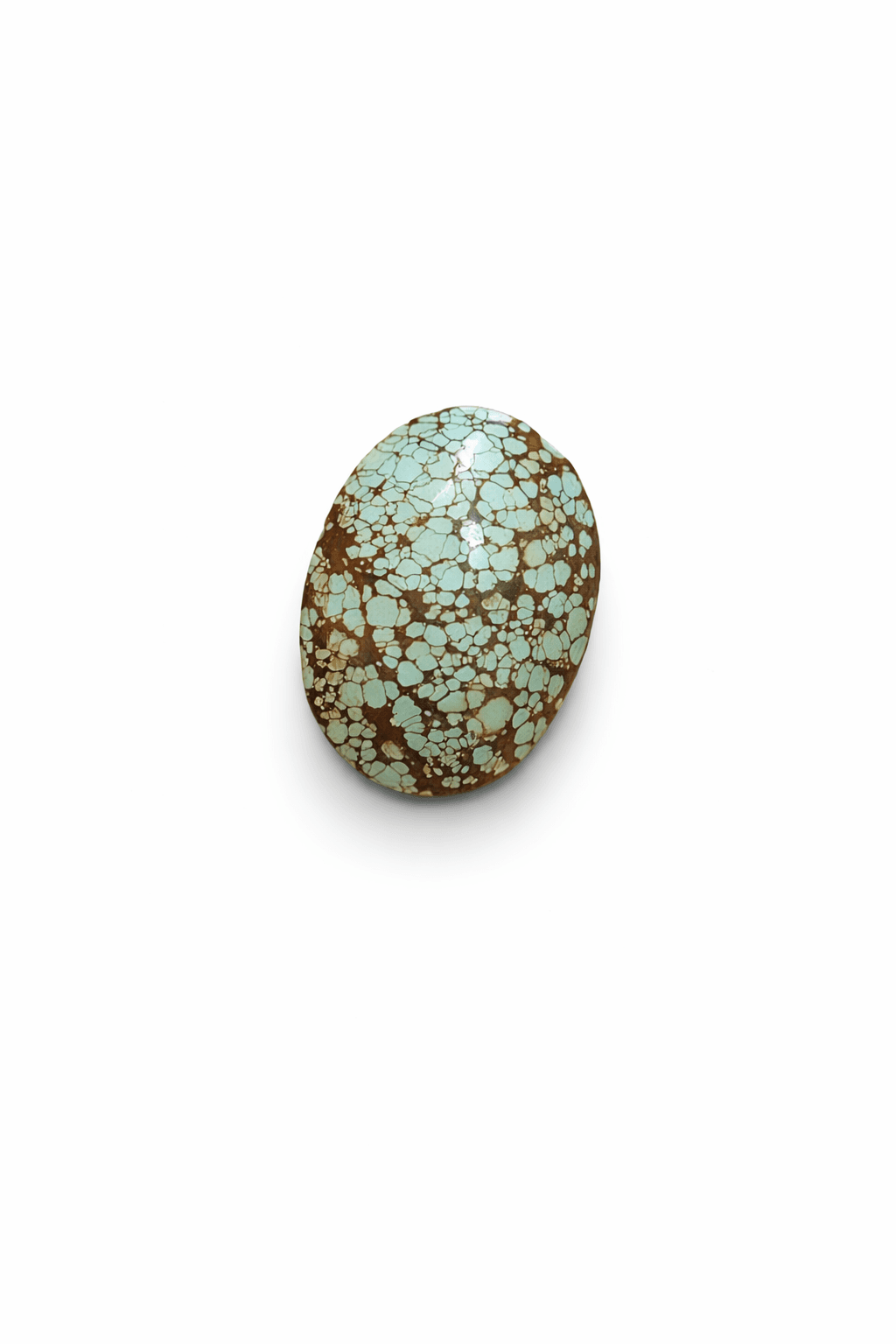
Unlike diamonds or sapphires, which are dense crystalline carbon and corundum, natural turquoise is a microcrystalline, relatively porous mineral with microscopic interstitial voids. It is literally a 'living' stone. When natural untreated Irani Firoza is worn against the human body daily, it absorbs microscopic quantities of natural skin oils, moisture, and perspiration. In addition, exposure to atmospheric oxygen gradually oxidizes traces of iron within the stone's copper phosphate lattice. Over months and years, this gentle natural oxidation can deepen a light sky-blue stone into a rich, deep royal blue, or shift a turquoise blue stone toward an antique peacock teal.
The Health Connection: Perspiration pH & Sudden Shifts
There is also a genuine physiological connection between the wearer's health and the stone's appearance. When a person is experiencing high fever, liver dysfunction, severe metabolic acidosis, or extreme chronic stress, the chemical pH of their sweat and skin secretions shifts dramatically from slightly acidic to highly acidic or alkaline. Because untreated Firoza reacts to prolonged chemical changes on the skin, an acute physiological crisis can indeed cause the stone's surface luster and hue to temporarily dull or shift. Ancient healers observed this chemical reaction and correctly recognized it as an early warning sign of bodily illness!
Why Fake & Plastic Stones Never Change
Paradoxically, the fact that a natural Firoza can change hue over time is one of the ultimate proofs of its authenticity! Fake stones made of resin, plastic, or polymer-stabilized turquoise have their microscopic pores completely sealed by synthetic industrial glue. They will look identical on day one and year ten, completely disconnected from the wearer's living biology. A natural untreated Irani Firoza forms a living bond with you.
How to Protect Your Stone's Brilliance
While natural skin contact is beneficial, you must protect your Firoza from harsh synthetic chemicals: remove your ring before applying perfumes, hair dyes, hand sanitizers, or chlorine bleach. Rohi Gems delivers 100% genuine, unsealed, natural Iranian stones across India with guaranteed provenance.
The Historical Record: Persian Kings & Royal Chronicles
In the 13th-century Persian mineralogical manuscript 'Jawahir-Nama' (Book of Precious Stones), royal lapidary Muhammad ibn Mansur documented numerous instances where the Shah's personal Neyshabur turquoise changed hue when the monarch contracted acute malaria or dysentery. The chronicler noted that upon the Shah's recovery, when clean mountain diet and pure spring water restored the ruler's vitality, the stone's deep sky-blue luster naturally returned over several weeks. What medieval observers interpreted as magical empathy was actually a textbook chemical reaction: an acute febrile illness alters the chemical composition of skin perspiration, secreting elevated levels of ammonia, lactic acid, and sodium chloride that temporarily react with the stone's microscopic surface copper ions.
A Modern Warning: Distinguishing Natural Maturation from Chemical Destruction
It is crucial for buyers to understand the difference between healthy, natural stone maturation and irreversible chemical damage. Over years of loving wear, a natural untreated Irani Firoza develops a noble patina: its blue tone becomes richer, slightly deeper, and more lustrous, much like an antique leather book or aged rosewood. This is a sign of a genuine living stone bonding with its keeper. However, if a stone is accidentally splashed with chlorine bleach, acidic toilet cleaners, or synthetic solvent sprays, the copper molecules are stripped, resulting in an unnatural chalky grayish discoloration. Treat your natural Irani Firoza as you would an ancient silk manuscript—with reverence, gentleness, and natural care.

Rohi Gems
Rohi Gems
Premium natural gemstones with WhatsApp support, certificate guidance, and secure inquiry confirmation.
Rohi Gems keeps the buying flow transparent with WhatsApp support, product media, and final confirmation before payment.
Rohi Gems keeps the buying flow transparent with WhatsApp support, product media, and final confirmation before payment.
Rohi Gems keeps the buying flow transparent with WhatsApp support, product media, and final confirmation before payment.
Need help choosing a stone?
Send your budget, ring size, and preferred color.
Sales team will shortlist available Firoza options and share video proof within hours.